
Looking for the best inverter for home? Power cuts are still common in many parts of India, especially in summer. A good home inverter with the right battery keeps your fans, lights, Wi-Fi router and TV running until the power comes back, but only if it is sized correctly for your home.
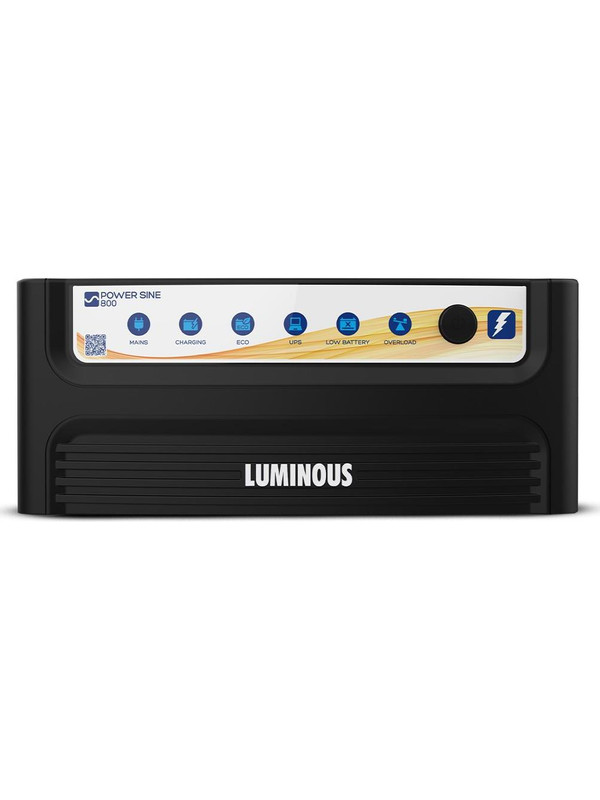
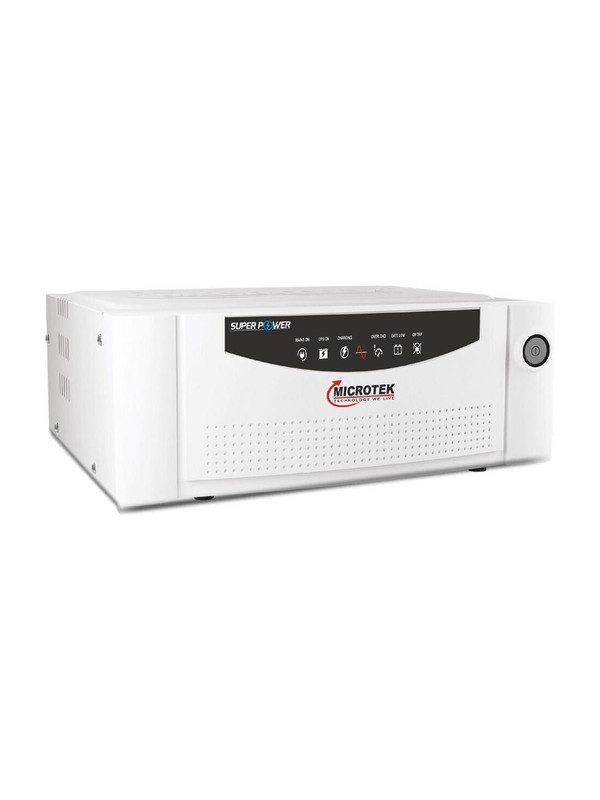
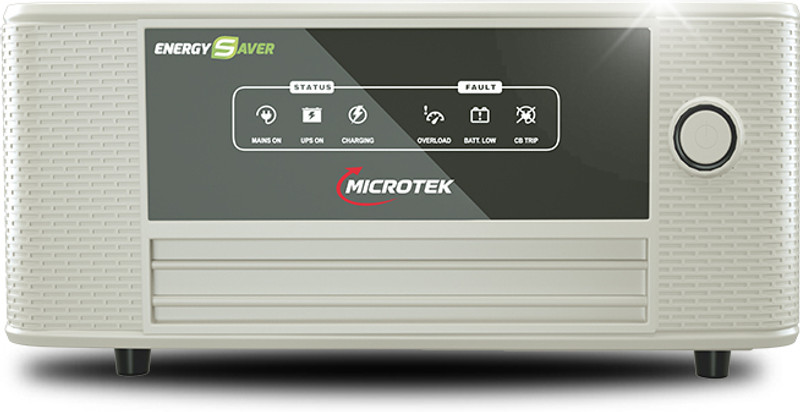
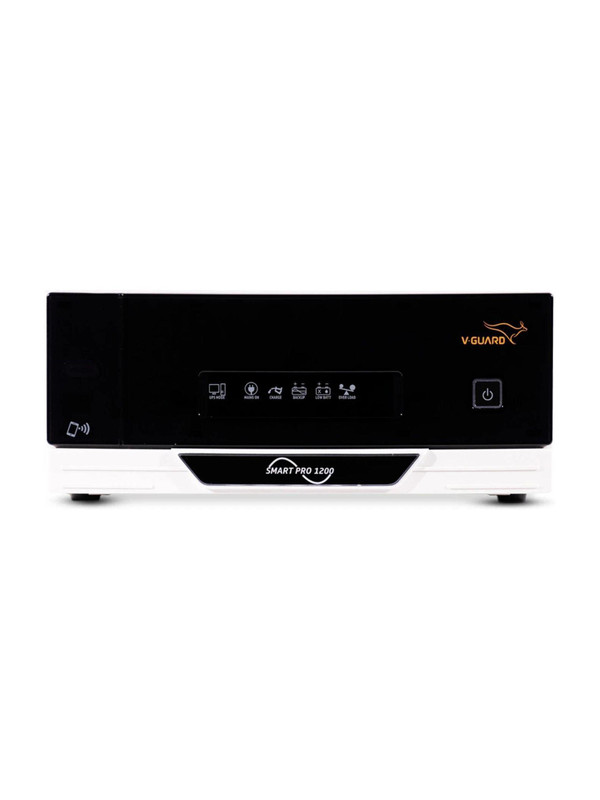
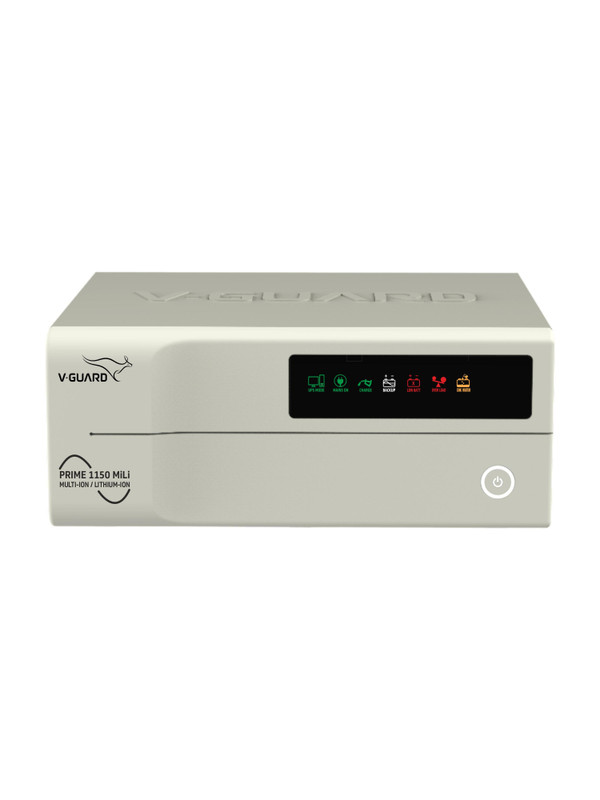
We’ve compared popular home inverters from trusted brands Luminous, Microtek and V-Guard on capacity (VA), sine wave output, battery support, features and warranty. Below you’ll find our list of the best inverters for home, our top 3 picks, and a simple guide to choosing the right inverter and battery.
Best Inverters for Home in India 2026

How to Choose the Right Inverter Size
Step 1: Add Up Your Load
List the appliances you want to run during a power cut and add up their wattage. For example:
| Appliance | Quantity | Approx. power | Total |
|---|---|---|---|
| Ceiling fan | 3 | 75 W | 225 W |
| LED bulb or tube light | 4 | 10 to 20 W | 60 W |
| Wi-Fi router | 1 | 10 W | 10 W |
| LED TV | 1 | 80 W | 80 W |
| Total load | 375 W | ||
Step 2: Convert to VA
Inverters are rated in VA. Divide your total load by about 0.7 to 0.8: in this example, 375 W ÷ 0.75 ≈ 500 VA, so a 600 to 900 VA inverter gives comfortable headroom. Small homes usually need 600 to 900 VA, while larger homes running more fans and appliances need 1,100 to 1,500 VA or more.
Step 3: Choose the Battery Capacity
The battery decides how long the backup lasts. A rough estimate: backup hours ≈ battery Ah × 12 × 0.8 ÷ load in watts. A 150 Ah battery running a 375 W load lasts roughly 150 × 12 × 0.8 ÷ 375 ≈ 3.8 hours. Choose a bigger battery (or two batteries with a higher-capacity inverter) if power cuts in your area are long.
Other Things to Check
Pure Sine Wave Output
A pure sine wave inverter supplies power similar to the mains. It is safer for sensitive electronics such as computers and TVs, and fans run quieter and cooler. Square-wave inverters are cheaper but noisier and less suitable for modern appliances.
Battery Type
Tall tubular batteries last longer and need less maintenance than flat plate batteries, making them the best choice for most homes. Flat plate batteries are cheaper but wear out sooner. Lithium inverter batteries are maintenance-free and long-lasting but cost much more.
Features and Warranty
Useful features include an LCD display, battery-level and backup-time indicators, overload and short-circuit protection, and a mode for low-voltage areas. Look for at least a 2-year inverter warranty and a long warranty on the battery, and buy from a brand with a good service network near you.
Inverter Safety Tips
- Install the inverter and battery in a well-ventilated place, away from bedrooms and direct sunlight. Lead-acid batteries release gases while charging.
- Keep the battery out of reach of children and pets.
- Top up tubular or flat plate batteries only with distilled water, as recommended by the manufacturer.
- Do not connect heavy appliances such as ACs, geysers, irons or room heaters unless the inverter is specifically rated for them.
- Have the wiring done by a qualified electrician.
Top 3 Picks
Frequently Asked Questions
Which inverter is best for home use in India?
For most homes, a 900 to 1,100 VA pure sine wave inverter from a trusted brand such as Luminous, Microtek or V-Guard, paired with a 150 Ah tall tubular battery, is a reliable choice. See our top 3 picks above.
What size inverter do I need for 3 fans and 4 lights?
3 fans and 4 LED lights use roughly 300 W, so a 600 to 900 VA inverter is enough. Add the wattage of anything else you want to run, such as a TV or router.
How long will an inverter battery last during a power cut?
It depends on the battery capacity and how much you run. As a rough guide, a 150 Ah battery runs a 375 W load for about 3.5 to 4 hours. Running fewer appliances gives longer backup.
How long does an inverter battery last before it needs replacing?
A well-maintained tall tubular battery typically lasts several years, while flat plate batteries usually need replacing sooner. Regular maintenance and avoiding deep discharge help it last longer.
Can an inverter run an AC or fridge?
A normal home inverter is not designed for an AC. Some higher-capacity inverters can run a refrigerator, but check the manufacturer’s rating first, as fridges draw a high current when they start.
Related Buying Guides
- Best Ceiling Fan in India (BLDC)
- Best 1.5 Ton Split AC in India
- Best Air Cooler in India
- Best Refrigerator in India


