
Looking for the best air purifier in India? Every winter, air quality in many Indian cities drops to “poor” or “severe” levels, and the air inside our homes is often just as polluted as outside. A good air purifier can noticeably cut fine dust (PM2.5), smoke, pollen and pet dander in the room where you spend the most time.
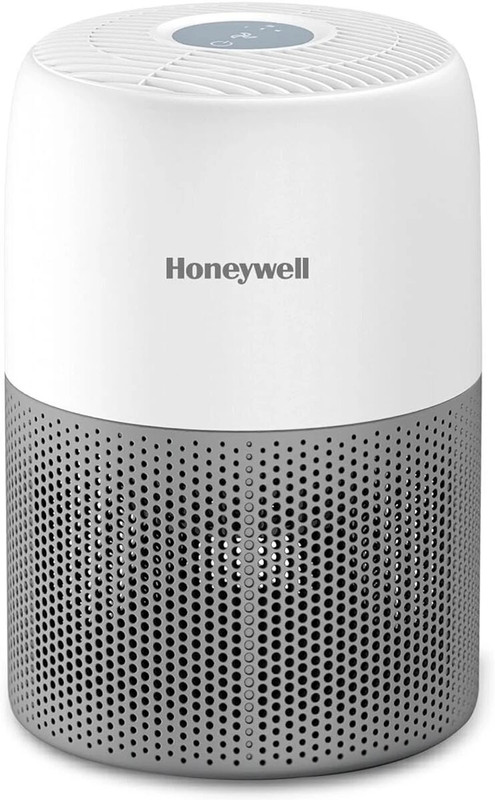
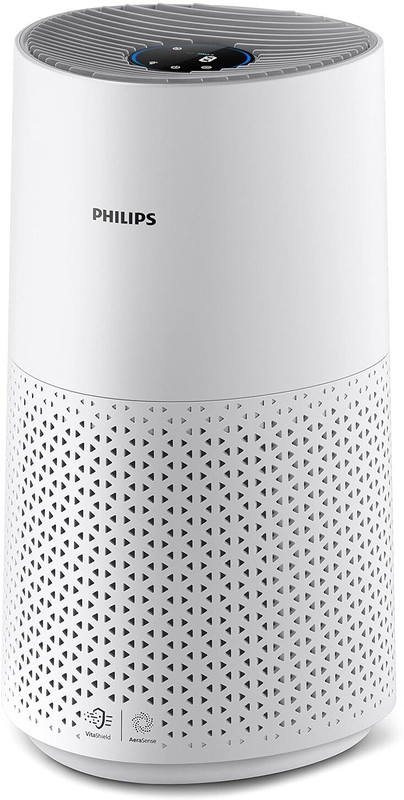
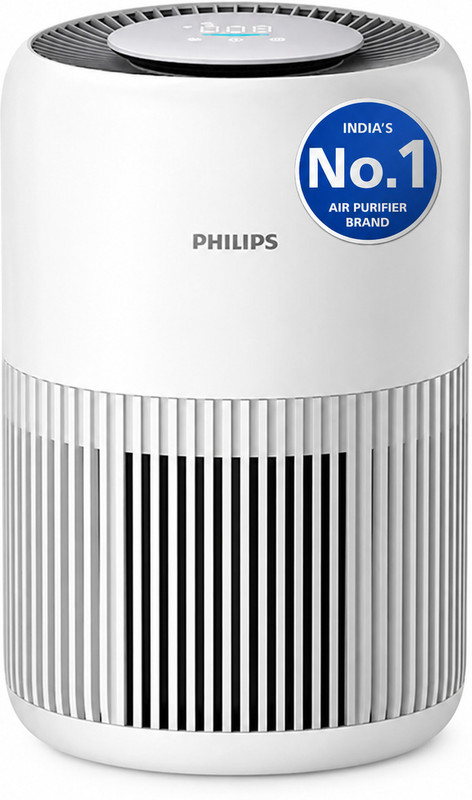
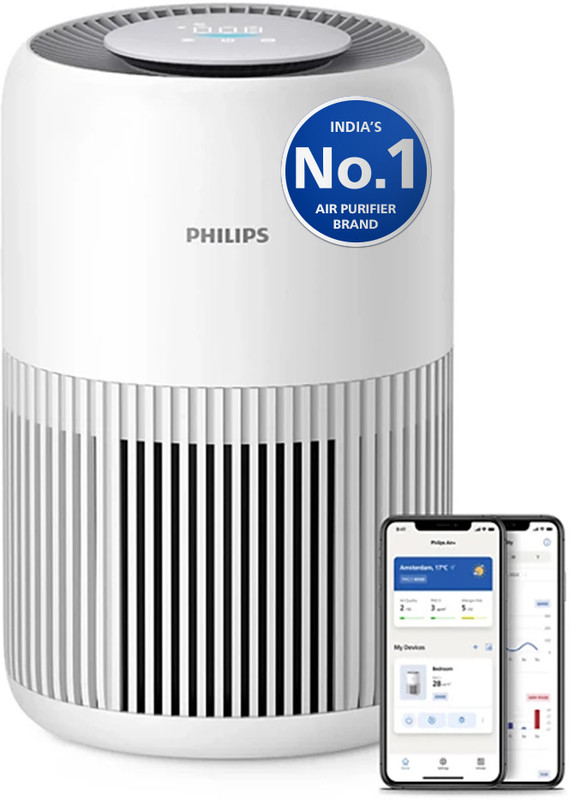
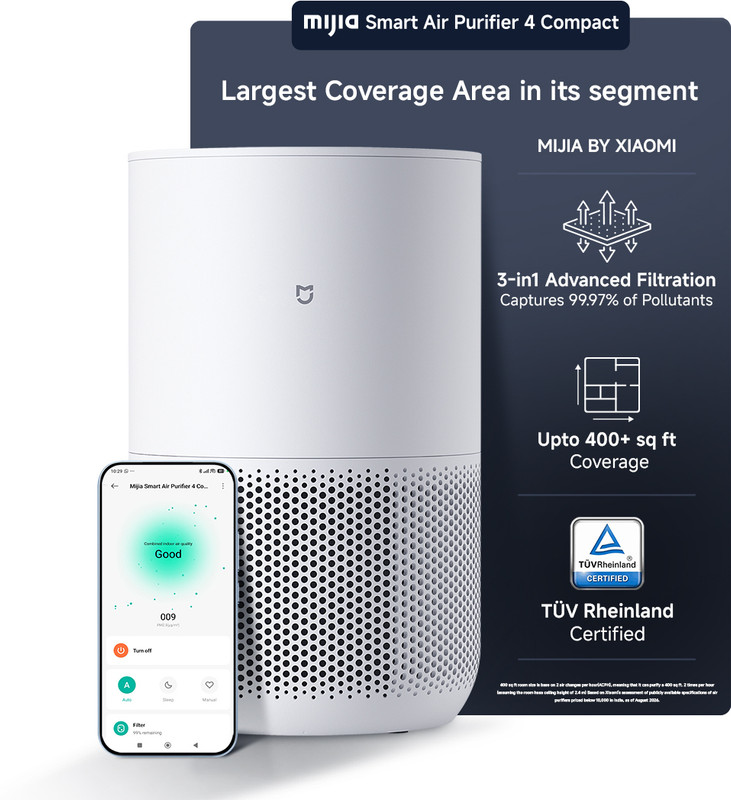
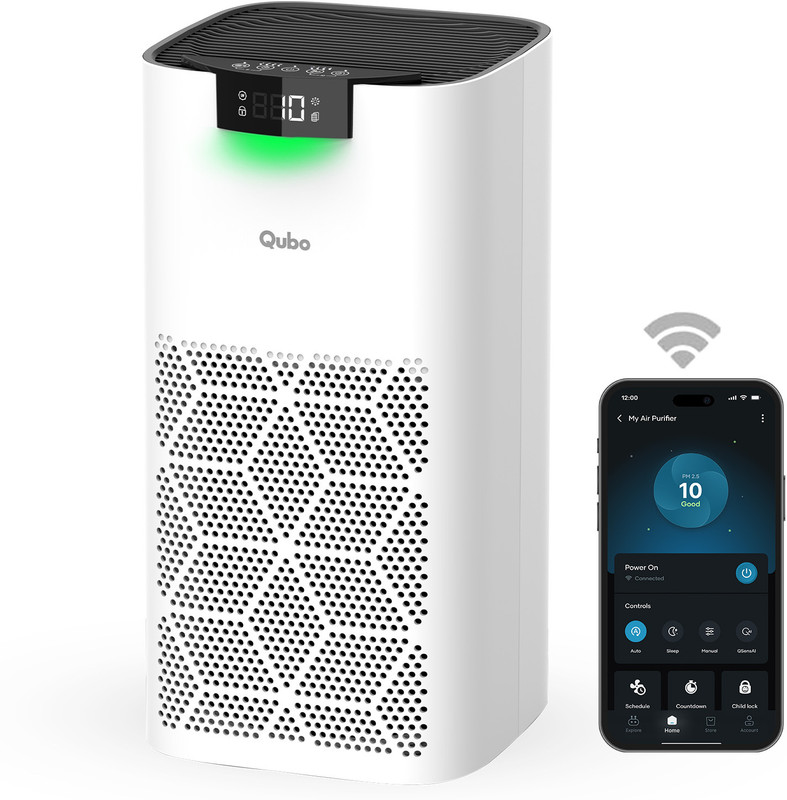
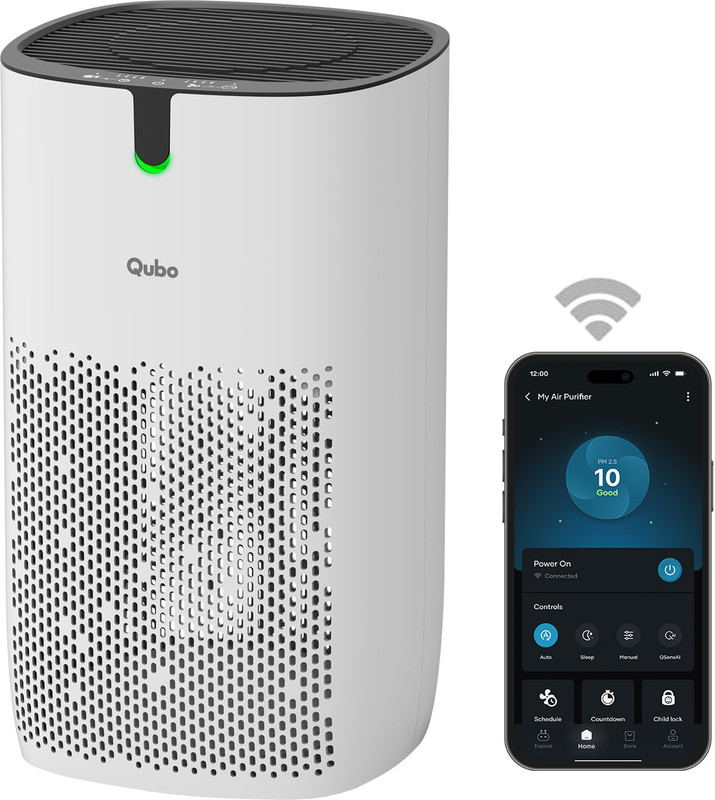
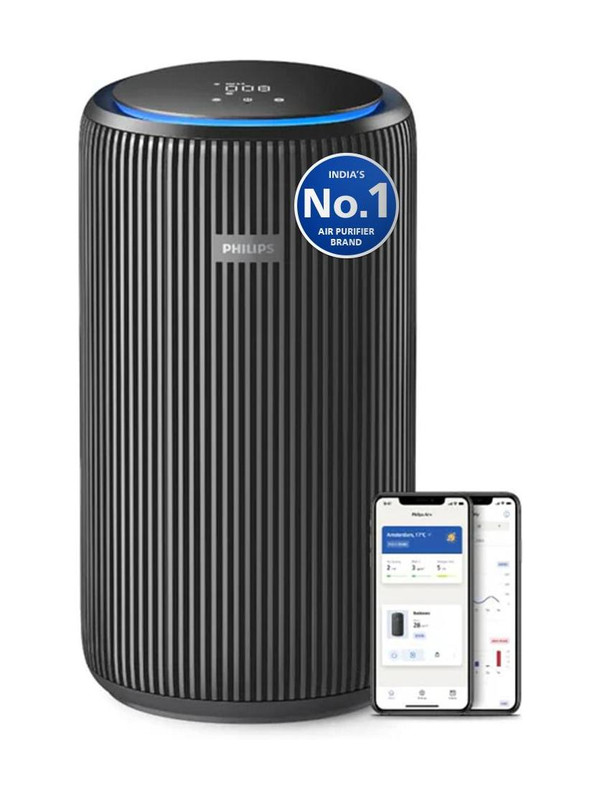
We’ve compared popular air purifiers from brands such as Philips, Honeywell, Xiaomi, Coway and Qubo on filter type, cleaning capacity (CADR), room coverage, noise, running cost and price. Below you’ll find our list of the best air purifiers to buy, our top 3 picks and a buying guide.
Best Air Purifiers to Buy in India 2026


How to Choose the Best Air Purifier
1. True HEPA Filter
A True HEPA filter (often labelled H13) traps at least 99.97% of particles as small as 0.3 microns, which covers PM2.5, dust, pollen and most smoke particles. Avoid models that only say “HEPA-type” or “HEPA-like” without a grade.
2. Activated Carbon Filter
HEPA filters catch particles but not gases or smells. An activated carbon layer helps reduce odours, cooking smoke and some VOCs (chemical fumes from paints and cleaners).
3. CADR and Room Size
CADR (Clean Air Delivery Rate) shows how much clean air the purifier delivers. A simple rule: the CADR in m³/h should be at least about 1.2 times your room’s area in sq ft (for example, about 240 m³/h for a 200 sq ft room). In practice, choose roughly 250 to 300 m³/h for a 200 sq ft bedroom and 400 m³/h or more for a large living room. Bigger is better during high-pollution months.
4. PM2.5 Sensor and Auto Mode
A built-in air quality sensor with a display lets you see the indoor PM2.5 level, and auto mode adjusts the fan speed for you.
5. Noise and Sleep Mode
If you will run it in the bedroom, check the noise level in sleep mode. Under about 30 dB is quiet enough for most people.
6. Filter Cost and Availability
Replacement filters are the main running cost. Check the price of the filter and make sure it is easily available in India before you buy.
7. Avoid Ozone
Avoid purifiers that produce ozone. Ozone can irritate the lungs, so look for models that state they are ozone-free.
Tips to Get the Most from Your Air Purifier
- Keep doors and windows closed while it runs, otherwise outside air keeps coming in.
- Place it where air can flow freely, at least a foot away from walls and furniture.
- Run it continuously on auto or a low setting during high-pollution months rather than only switching it on occasionally.
- Replace or clean filters on time. A clogged filter cleans far less air.
- Use it in the room where you spend the most hours, usually the bedroom.
Top 3 Picks
Frequently Asked Questions
Do air purifiers really work against Delhi pollution?
Yes, a correctly sized purifier with a True HEPA filter can greatly reduce PM2.5 levels inside a closed room. It cannot clean the air outside or in rooms with open windows, so use it in a closed room and choose a model with enough CADR for the space.
How often should I change the air purifier filter?
Most HEPA filters last around 6 to 12 months, but in heavily polluted cities they may need replacing sooner. Follow the filter indicator or the manufacturer’s guidance.
Should I run an air purifier all day?
During high-pollution months, yes. Running it continuously on auto or a low setting keeps indoor air clean, and most purifiers use little electricity, similar to a ceiling fan.
Can an air purifier help with allergies and asthma?
It can reduce airborne allergens such as dust, pollen and pet dander, which many people with allergies find helpful. It is not a substitute for medical treatment, so follow your doctor’s advice for asthma or other conditions.
What is the difference between an air purifier and a humidifier?
An air purifier removes particles from the air, while a humidifier adds moisture to dry air. They solve different problems, though some models combine both.
Related Buying Guides


